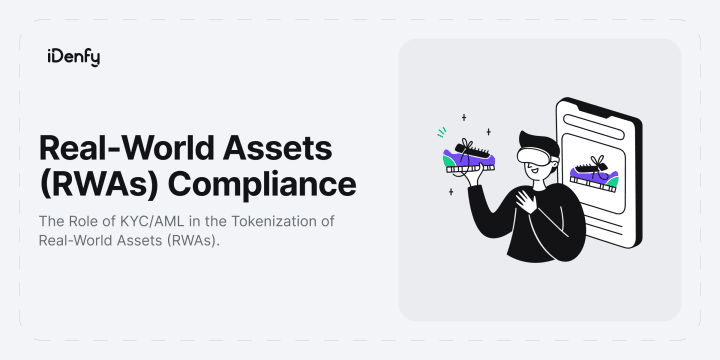
Real-world asset tokenization is gaining popularity among blockchain enthusiasts due to its potential for ownership opportunities and easier access to luxurious physical items.
A recent report from CoinGecko states that “tokenized treasury products grew by 782%” within a single year. This growth highlights increasing interest in decentralizing real-world assets, with platforms innovatively developing tools to enhance operational efficiency in this industry. However, while decentralization is key in blockchain, implementing KYC/AML ensures legal compliance and prevents criminal access to services.
This article delves into the crucial role of KYC/AML in tokenizing RWAs.
What is the Tokenization of RWA?
Tokenization for RWAs involves digitally representing physical assets/items, such as real estate, art, commodities, and luxury goods, as tokens on the blockchain. This allows for verified fractional ownership and transparent transactions. For example, tokenizing real-world assets could enable individuals to own a portion of the Holme, one of the most expensive real estate properties, valued at $314 million back in 2023.
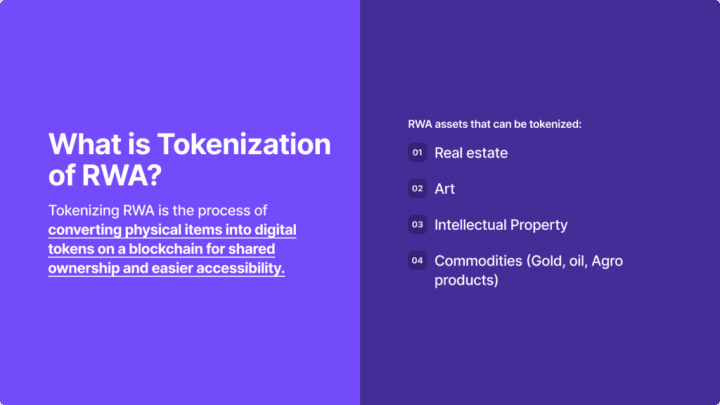
Each token represents ownership or a share of the underlying asset. That makes it easier to trade or transfer the assets. In simple terms, it turns real-world value into digital, blockchain-based units that can be bought, sold, or used in financial markets with greater speed and accessibility.
How Does RWA Tokenization Work?
In tokenizing a real-world asset, what happens behind the scenes is converting ownership rights into digitally accessible tokens. To achieve this, the following steps are followed:
Asset Selection: This step involves knowing/choosing an asset you want to tokenize, either tangible or intangible, such as real estate, arts, patents, etc. During this stage, necessary research is done to ensure the specific item to be tokenized meets the standard.
Legal Compliance: The specific item to be tokenized must be scrutinized legally and comply with laws and regulations binding such assets. At this stage, the credibility of such assets is known, investors are protected, and all associated risks will be mitigated.
Digital Representation: After scrutinizing legal research, converting the ownership right begins to take place; this is represented as tokens on the blockchain, thereby ensuring fractional ownership of the underlying asset
Integrating Smart contracts: Decentralization is governed by smart contract rules, it cuts off human intervention thereby automating every transactional process, it delivers the supposed result when a criterion is met.
Issuance and Distribution: This is done by tokenization platforms. Depending on the type of asset, tokens can be sold on Secondary markets for a wider audience to have access to or sold in an ITO (Initial token offering). These platforms use smart contracts and write the criteria standard for sales.
Market Access and Asset Management: After sales, the token becomes easily accessible for crypto nerds willing to invest or trade. At this stage, tokenization/trading platforms monitor assets and investors to avoid illicit activities.

KYC for crypto and blockchain
Stay compliant with evolving crypto regulations. iDenfy helps exchanges and DeFi platforms verify users globally.
Explore Crypto SolutionOnce issued, the tokens can be traded peer-to-peer or on regulated marketplaces, allowing instant settlement and high liquidity. Token holders can receive dividends, yield, or updates depending on the asset type. Smart contracts automate ownership records and distributions. However, investors must complete identity verification and ensure regulatory compliance before purchasing the tokens.
Related: What is Cryptocurrency? Key Facts & Security Tips
Essential Compliance Requirements for Platforms Dealing With Tokenized RWAs
KYC (know your customer Verification)
KYC is one of the foundational elements needed for tokenization platforms to stay compliant and operate safely in any jurisdiction. Though decentralization is on-chain, issuance of real-world ownership as digital tokens involves a scrutinized process of learning who your investors are and what they are involved with.
This process involves getting your investor’s personal information, such as identity documents and proof of address, and potentially conducting background checks. In return, this protects the platform from identity theft and fraud and ensures that each investor can enjoy the services rendered.
Related: A Definitive Guide on KYC for Crypto [Updated]
AML (Anti-money Laundering) Compliance
Criminals are always on the verge of looking for new models to perpetuate their evil acts, and they could launder illicit money through these tokenization platforms. Compliance with AML laws ensures that every transaction can be duly traced and checked as legitimate. Some RWA assets are fractionalized, offering multiple investors a share in ownership by buying a particular number of tokens. Investors could potentially launder money by investing in these fractionalized assets, making AML compliance crucial.
Legal and Regulatory Compliance
RWA tokenization platforms must deeply understand the laws that govern their operations, either in the local states or internationally. For example, they must adhere to securities laws, consumer protection regulations, data privacy laws, and any other applicable regulations that impact the platform’s operation.
Smart Contract Security and Transparency:
Decentralized operations are executed by smart contracts. For RWA tokenization platforms, every smart contract code must be reviewed to ensure security and transparency.
A loophole in the smart contract can result in a malfunction of the whole system, which could result in unforeseen circumstances, such as what recently happened with Kraken, which cost them a loss of $3m.
Audit Compliance
RWA tokenization platforms have their own way of auditing transactions on their platforms. To stay compliant with these regulations, both internal and third-party auditing must be done, which should include a comprehensive record of transactions and user activities. Regular auditing can validate compliance with regulatory requirements and operational standards, enhancing credibility and trustworthiness.
Related: How Identity Verification is Helping Combat Cryptocurrency Crimes
A Few RWA Protocols and What They Do
There are diverse categories of RWA protocols depending on the specifics of their services. A few of the major options offered by RWA protocols can include: Tokenized Debt Securities & Equity, RWA Lending, RWA-backed Stablecoin, Tokenized Commodities, etc. Let’s take a quick dive into a few protocols and what they offer.
Centrifuge: Centrifuge allows investors to access RWA within the Decentralized Finance space.
GoldFinch: Goldfinch uses the decentralized lending protocol model to bridge the gap between crypto and real-world credit.
Ondo Finance: Ondo Finance bridges Tradfi and Defi through RWA. The RWA is converted into digital tokens, allowing access to a broader investor seeking yield gains.
Maple Finance: Maple Finance is another RWA protocol that caters to the lending needs of institutional and validated individual investors.
Staying Compliant with iDenfy
To stay compliant with KYC/AML regulations, RWA tokenization platforms must partner with credible entities like Idenfy. This partnership ensures seamless integration of KYC checks into their platforms without hindering or causing friction during investor onboarding.
Idenfy offers robust verification checks to ensure every investor is legitimate. In an era plagued by deep fakes, Idenfy’s AI technology has become the go-to solution for RWA platforms that are concerned about maintaining stringent security measures.
To stay compliant, start here.