Andrius Juodis
What is KYC
KYC – a solution that keeps all of the digital world together, verifying users’ identities, preventing financial crimes, and ensuring regulatory compliance, all the way from banks to fintech companies, KYC keeps compliance in place by assessing risk levels and monitoring unusual activities.
Top 10 AML Software Solutions for Banks
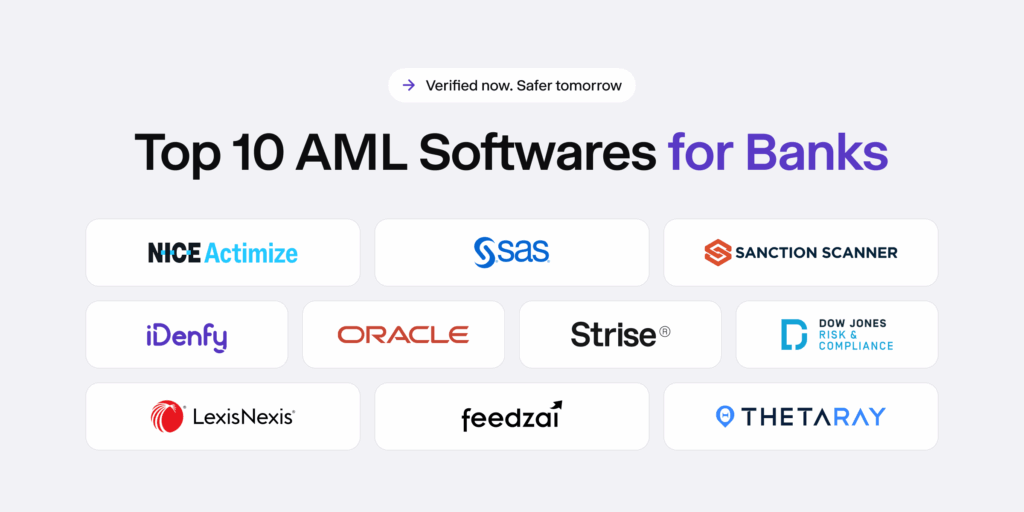
Nobody is secured from money laundering, until, of course, you implement the right solutions. Sometimes it could be hard to choose one, well this list will help you to choose the best one.

How to Choose The Best KYC SaaS Platform for 2026
KYC SaaS in 2025 is not an optional choice – it is a necessary one. If you want your company to be safe, consider choosing one, but how to choose the right one, when there are already so many existing with various features? Let’s take a look at that.
Best 9 Fraud Prevention Solutions in 2026
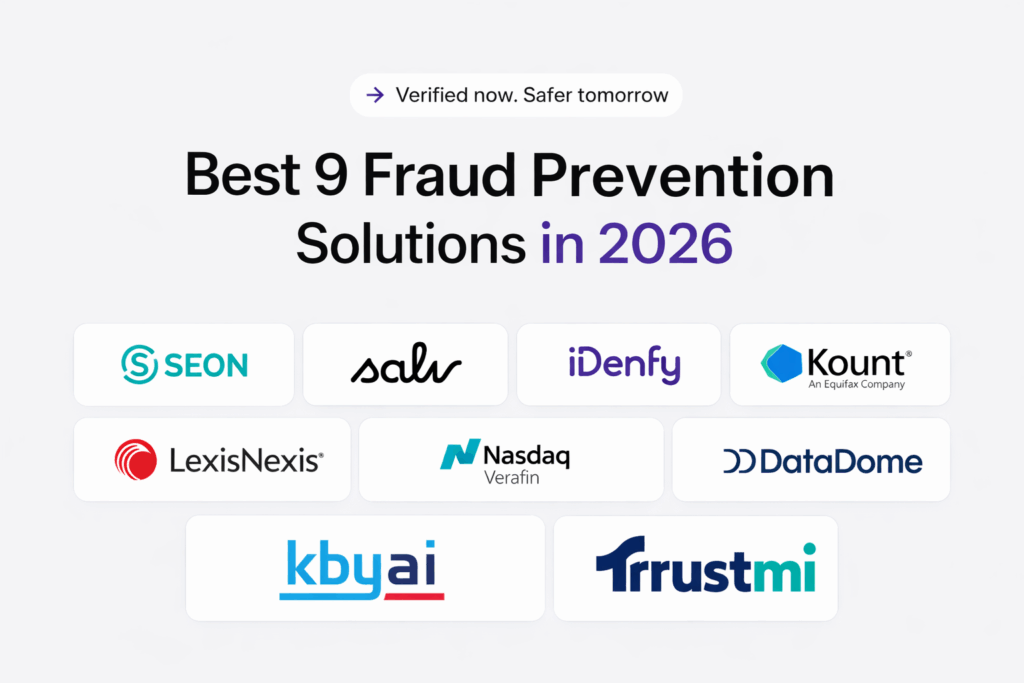
To completely protect your business from fraud, you will have to choose which fraud prevention solution to use. Learn about them here and select the one that fits your company the best.
Biggest Money Laundering Cases
Back in the day, almost everybody was involved in money laundering – drug cartels, banks, politicians, and whatnot. Let’s see how these schemes were uncovered and exposed, as well as the impact and prevention of one of the world’s biggest financial crimes.
AI in Fraud Prevention
AI is transforming fraud prevention as we speak with real time detection and adaptive security. It is not a secret that cybercriminals are thinking of new tactics and threats are getting harder to detect, so AI in this case helps businesses and various companies all around the world to stay ahead ahead of the threats.
SOC 2 vs. ISO 27001: 6 Key Differences
Find out what SOC 2 and ISO 27001 are, how they compare, and what factors should shape your decision when choosing the best option for your company based on criteria like geographic relevance and more.
MLRO Work Responsibilities in 2025
Money Laundering Reporting Officers (MLROs) help their companies prevent fraudulent activities, but it is not easy — they face complex challenges. Learn about the daily tasks of an MLRO, their work requirements, and the importance of AML tools.
KYC Remediation
KYC Remediation – An essential process to ensure your company’s safety, stay accurate and compliant with evolving regulations. Learn everything about its importance and what happens if it is ignored.
KYC in Traditional Finance (TradFi)
KYC is one of the most important tools for fraud prevention, AML compliance, and risk management in TradFi; however, increasing compliance costs, outdated systems, and cross-jurisdictional regulations create significant challenges. Learn how you can overcome them.
Cryptocurrency Regulations Around the World
Cryptocurrency regulations are constantly developing as governments worldwide try to balance a fine line between allowing innovation to take root and protect customers. The cryptocurrency regulatory landscape differs across Europe, the United States, Asia, the Middle East, and other regions.
KYC in the Metaverse: Trust in a Virtual World
The metaverse is revolutionizing how we connect, work, and even do business – a path that holds incredible opportunities and enormous challenges in security and trust among users. Know Your Client (KYC) processes are key to preventing fraud and building trust in a virtual environment that supports safe interactions and growth.
Understanding KYC and MiCA
The recent boom in the cryptocurrency market has raised the need for a solid regulatory framework to guarantee users’ transparency, safety, and protection; the European Union has adopted the Markets in Crypto-Assets Regulation (MiCA) to offer a meaningful legal framework for crypto-assets issued within its borders. Among the essential elements introduced by MiCA is a strict Know Your Customer (KYC) policy and procedures to reduce the risk of money laundering, fraud, and other illicit activities.